

Acoustic Harmony in Cinema Seating: The Overlooked Science Behind Premium Viewing
How Seating Design Shapes the Sound Experience in Cinemas
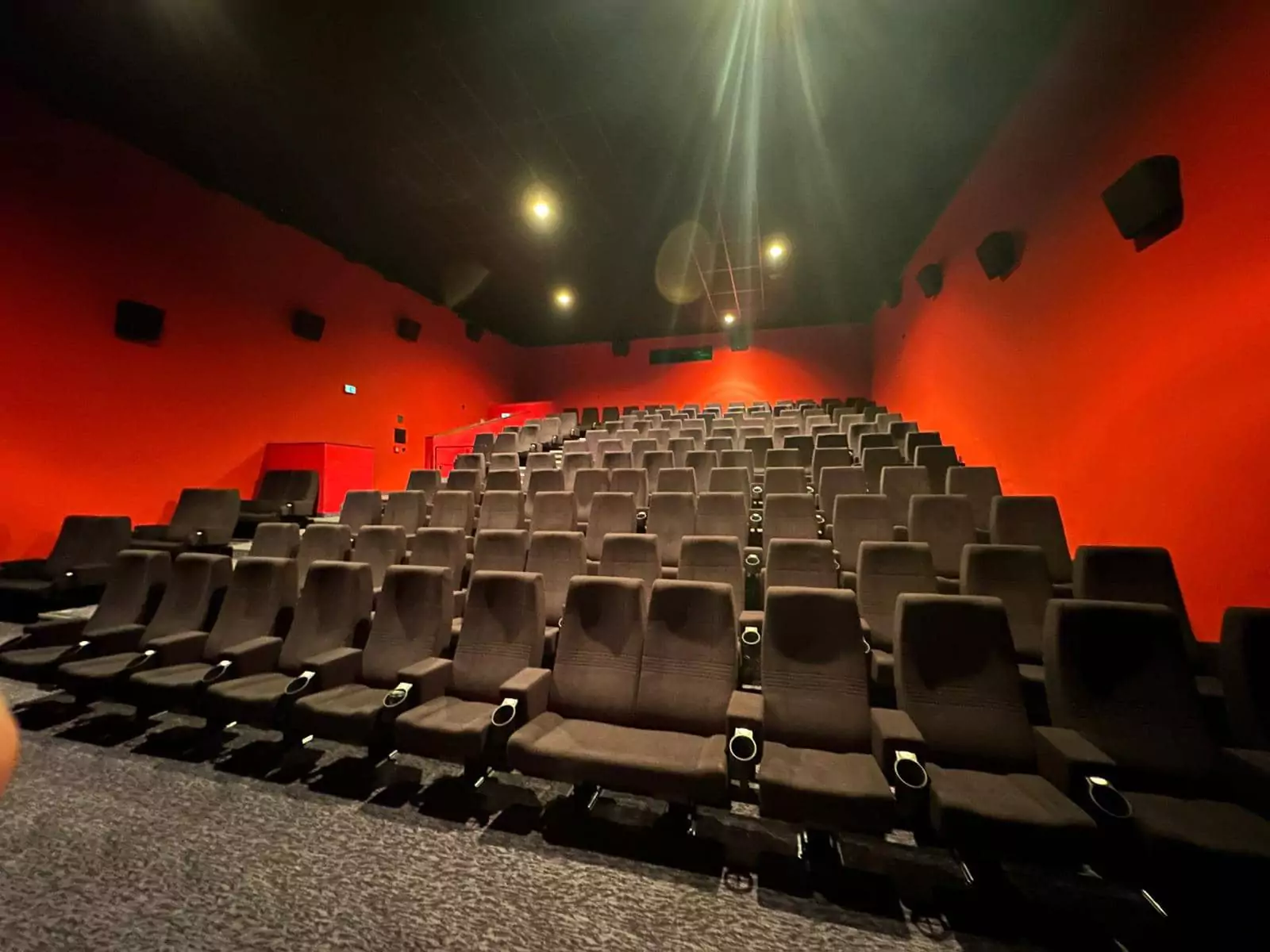
When designing a modern cinema, much of the focus tends to fall on visual technology — screens, projectors, and lighting. Yet one of the most crucial components of a truly immersive experience lies in an unexpected detail: the seating. More specifically, how cinema seats impact the acoustic environment of a hall.
In premium cinema spaces, where surround sound systems offer cinematic immersion, poorly designed or misaligned seats can disrupt the sound flow. Every seat in a theater is not only a comfort point but also a sound barrier or channel. Upholstery fabrics, foam density, seat shapes, and spacing — all directly affect sound absorption, reflection, and diffusion.
At our company, our seating solutions are engineered not just for ergonomics and visual aesthetics but for acoustic intelligence. We incorporate sound-absorbing materials, such as high-density foams and breathable fabrics that minimize echo and reverb. The result? Clean, uninterrupted audio delivery to every corner of the room.
Many cinema owners underestimate how materials like faux leather, velvet, or technical fabric influence sound. A tightly packed layout with sound-reflective surfaces can create unwanted noise pockets. In contrast, well-spaced acoustically-balanced seating arrangements can actually improve sound clarity and uniformity.
Moreover, the curvature of the backrest and the height of the headrest play subtle roles in how audio bounces or gets absorbed. Our models are built to complement both linear and curved theater layouts, allowing architects and acousticians to fine-tune environments for Dolby Atmos or IMAX-style systems without compromising on seat design.
Ultimately, in a world where audiences pay for a full sensory experience, seating must serve more than one purpose. It must look premium, feel luxurious, and sound invisible. This is where modern seating manufacturers must step beyond craftsmanship into acoustic engineering, transforming each seat into an integral part of the soundscape.
Designing Silence — Acoustic Optimization Through Smart Cinema Seating Layouts
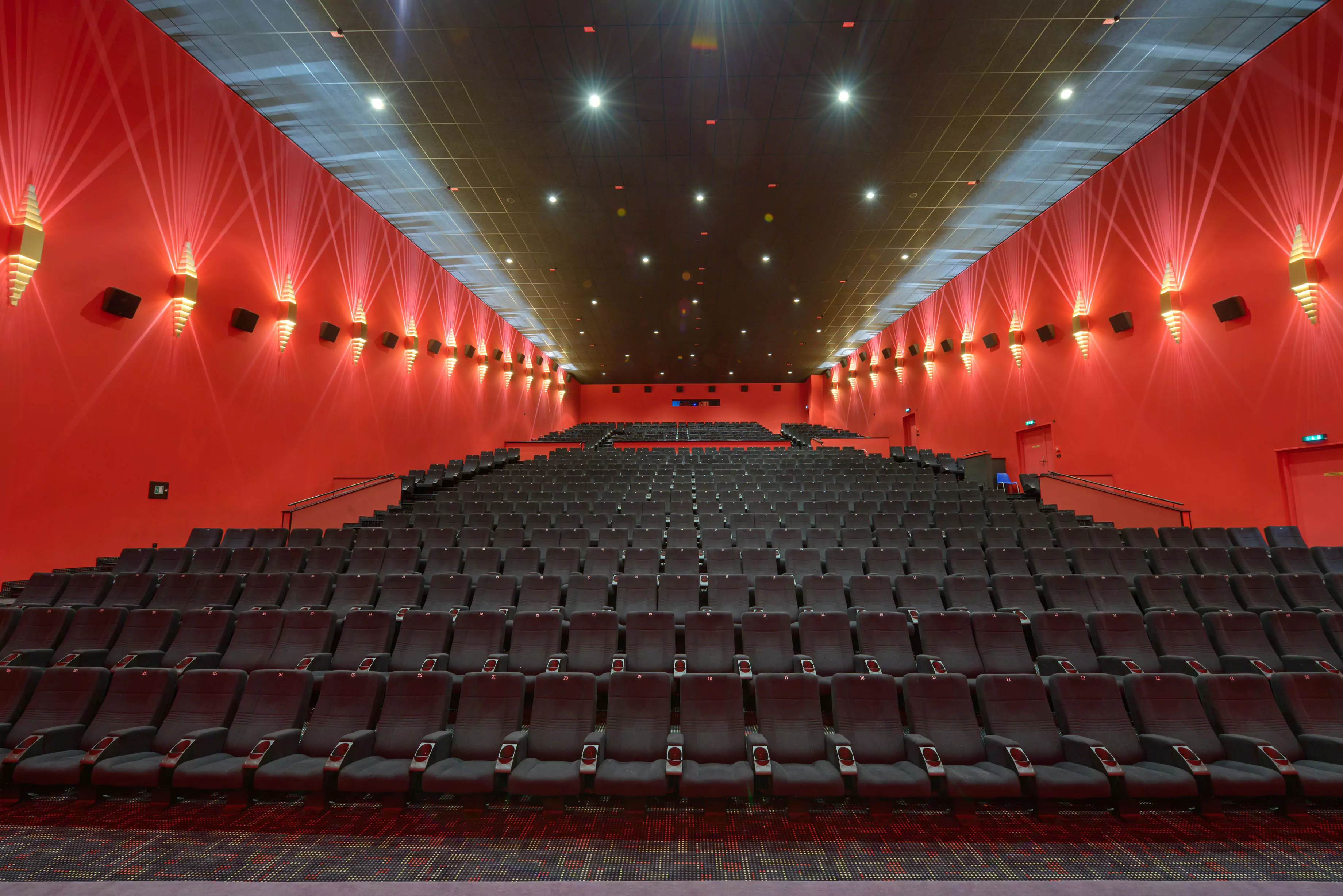
As cinema technology evolves, so must every component within the environment — especially the seating layout, a core architectural element that most venue designers still underestimate. In the first part of this series, we explored how materials and structure influence acoustics. Now, let’s dive into how cinema seating layouts themselves — the arrangement, spacing, and typology of seating — directly impact the sound experience in modern theaters.
From Echo Chambers to Controlled Soundscapes
Cinemas are naturally prone to acoustical challenges due to large, enclosed spaces. Sound waves bounce off walls, ceilings, and hard surfaces — often resulting in delayed echoes, muffled dialogue, or “dead zones” where audio clarity suffers. While wall panels and ceilings are often treated with absorptive materials, seating plays a surprisingly central role in diffusing sound.
Seating rows, armrest gaps, recliner back heights, and seat incline angles all contribute to how sound travels through a cinema. Chairs with taller backs may block higher-frequency reflections. Tightly packed rows without acoustic spacing might compress audio dynamics. That's where precision layout design — powered by simulation tools and experience — becomes essential.
Optimizing Layouts for Sound Uniformity
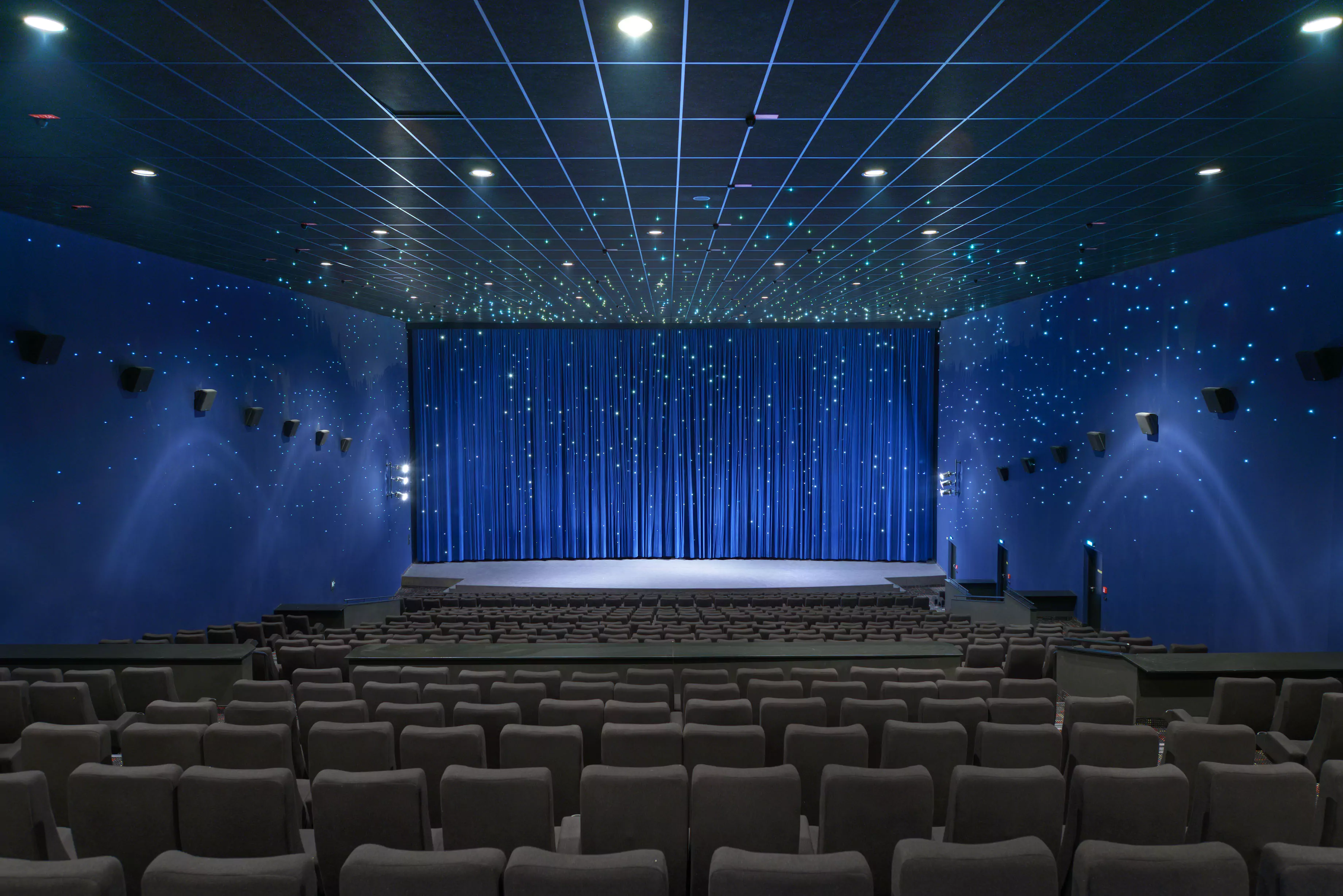
The goal in any cinema design is to achieve consistent audio experience across all rows, not just the center or sweet spots. Acoustic engineers work hand-in-hand with seating manufacturers like us to develop arrangements that preserve directional audio without obstruction.
This means:
Staggered seating rows for clean audio path lines
Open aisle spacing to reduce low-frequency build-up
Recliner back angles designed to avoid acting as echo panels
Symmetry in seat spacing to prevent uneven diffusion
Use of absorbent under-seat panels to prevent bass over-reflection
With premium cinema recliners, especially those featuring dual-motor mechanisms, designers must carefully account for additional bulk, ensuring that increased comfort doesn’t hinder sound fluidity. At VIPCinemaSeat, our models are not only ergonomically superior but are acoustically profiled to minimize reflective hotspots even when in recline position.
Silent Comfort: How Luxury Seating Should Sound (or Not)
One of the hidden indicators of truly premium seating is the absence of sound. Rattling frames, loud recline motors, squeaky armrests — these are the enemies of immersion. VIP-grade recliners are engineered with whisper-quiet motor technology, high-tolerance hinges, and noise-dampening internal padding, ensuring that even during movement, the viewing experience remains undisturbed.
Additionally, components such as USB ports, cooling cupholders, reading lights, and automatic reset functions are integrated silently. This ensures that added features do not create unwanted noise pollution within the theater.
Zone-Based Acoustic Seating: The Future of Cinema Design
A rapidly emerging trend among cinema architects and premium developers is zone-based seating, where different rows or areas within a theater are optimized for specific acoustic experiences. Front rows are adjusted for immersive bass feedback, while center rows maintain the surround-sound balance. Rear zones, often paired with premium recliners or sofa lounges, are optimized for spatial echo control and clarity in dialogue.
By offering modular seating that allows theaters to design multiple acoustic zones within a single hall, manufacturers like us empower cinemas to provide tiered experiences — from classic seats to luxury sound-enhanced recliners.
Global Perspective: Meeting Regional Acoustic Demands
In European markets, acoustics often compete with heritage architecture — older buildings retrofitted into cinemas. In the Middle East and Gulf countries, however, cinema halls are increasingly part of mega-developments and shopping complexes, offering a clean slate for acoustic innovation. Our role as an international cinema seating supplier and manufacturer allows us to adapt seat materials, density, and structure to regional sound design standards.
From VelvetTech acoustic fabric in Northern Europe to heat-resistant faux leather blends in GCC countries, we customize seating to harmonize with both climate and audio performance.
Comfort Must Listen to Science
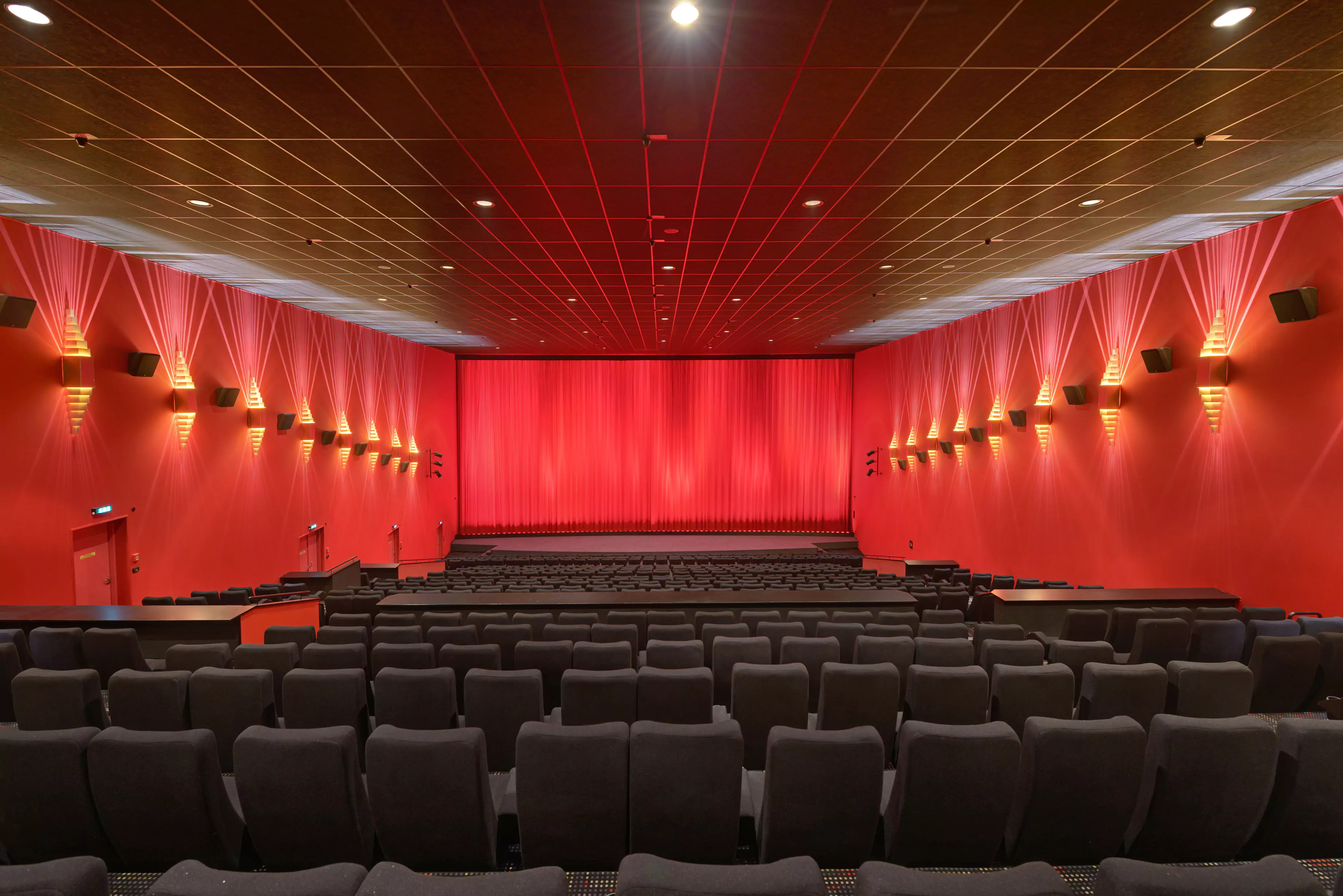
The modern audience demands more than luxury — they demand precision. Whether you're installing 500 chairs in a multiplex or designing a boutique VIP cinema lounge, the conversation must go beyond aesthetics. It must include sound science, acoustic compatibility, and silent engineering.
At VIPCinemaSeat, we believe that cinema seating is no longer just about supporting the viewer — it’s about enhancing the unseen layers of the cinematic experience. Because the most comfortable seat in the house is also the one that lets the story speak — with clarity, silence, and immersive power.
Created By : Simko Cinema Seating